Article
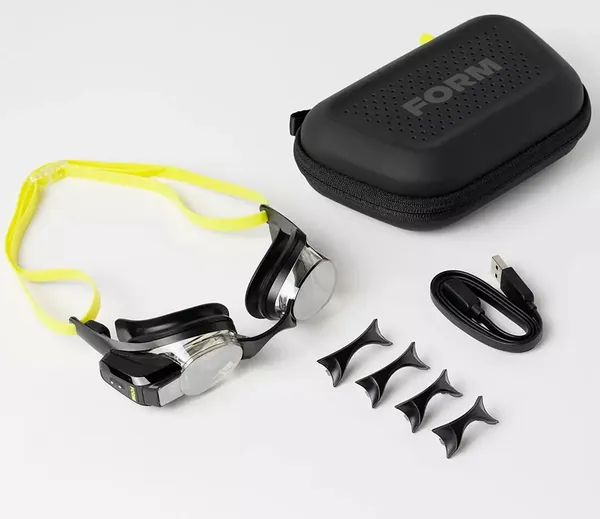
FORM Smart Swim 2 Review: Worth It for Triathletes?
A coach and Ironman finisher's honest review of the FORM Smart Swim 2 goggles. The good, the not-so-good, and whether they're worth $279 for triathletes.
Read ArticleLearn how to swim faster without adding more pool sessions. Focus on body position, catch efficiency, and smarter kick technique to improve your triathlon swim split.
If you want to swim faster but don’t have time to add more pool sessions, you’re not alone. Most triathletes are already swimming three times per week and still not seeing progress. The problem isn’t effort, it’s structure. Learning how to swim faster without adding more yardage comes down to technique, efficiency, and smarter training.
This guide will show you how to improve your swim speed by focusing on three key technique areas. You’ll also get a complete swim workout you can try this week to put these ideas into practice.
Many adult triathletes train swimming like this:
Swimming is different from running. Running speed improves mainly by increasing load and endurance. Swimming speed depends heavily on reducing drag and improving efficiency. If your body position, catch, and stroke technique are not optimized, you are practicing inefficient swimming for thousands of yards. That builds endurance for slow swimming, not speed.
The key is to focus on technique levers that multiply your speed without adding more yardage.
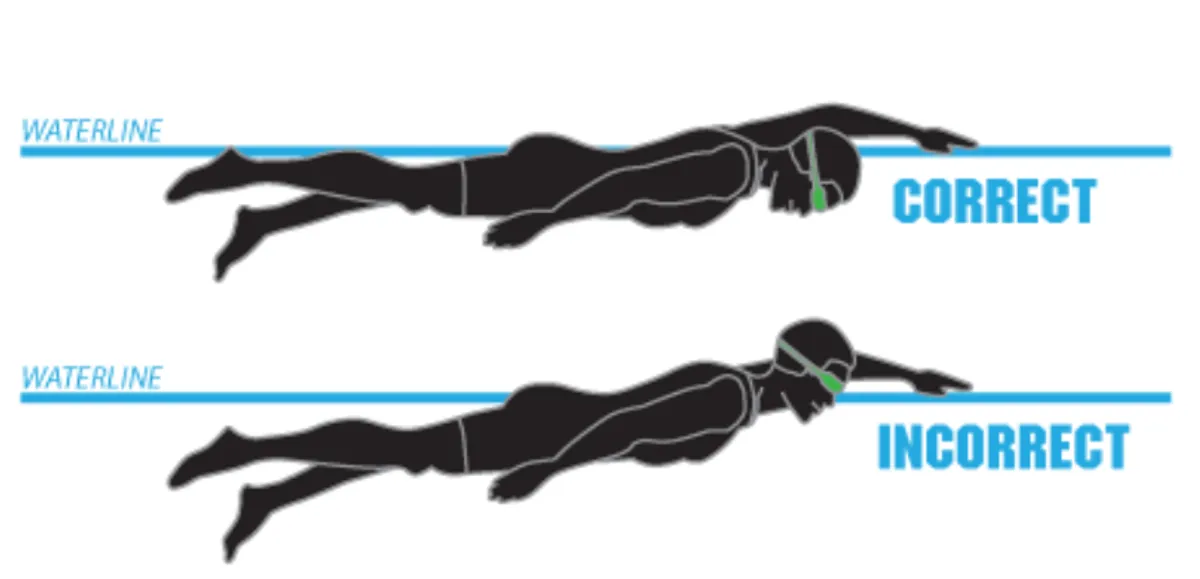
If you fix nothing else, fix your body position in the water. Your body acts like a boat hull. The flatter and more horizontal you are, the less drag you create. If your hips drop or your legs sink, drag increases dramatically.
If your eyes look even slightly forward instead of straight down:
This is the fastest way to stall your swim progress.
Swim with:
This position will feel awkward at first but will reduce drag and help you swim faster with less effort.
Your catch and pull phase is where you generate propulsion. Many triathletes either reach too far or pull inefficiently, wasting energy.
This technique uses your larger back and shoulder muscles instead of just your arms, increasing power and reducing fatigue.
A strong kick helps maintain body position and balance. But many triathletes kick too hard or with poor form, which wastes energy.
A controlled kick supports your body position and adds propulsion without draining your energy.
Try this workout to focus on body position, catch, and kick efficiency. It takes about 45 minutes and fits well into a busy schedule.
Improving swim speed comes down to quality, not quantity. Focus on these three technique areas:
Incorporate drills and workouts that emphasize these points. Track your progress by timing your sets and noting improvements in ease and speed.
If you want a structured plan to guide your swim training, download the free swim structure planner. It builds on these principles and helps you swim smarter, not harder.
A coach and Ironman finisher's honest review of the FORM Smart Swim 2 goggles. The good, the not-so-good, and whether they're worth $279 for triathletes.
Read Article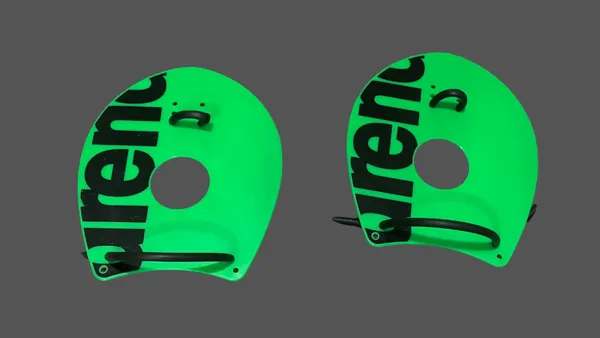
Hand paddles build the upper-body swim strength triathletes rely on come race day. A swim coach explains why paddles work and how to train with them safely.
Read ArticleApply for coaching or start with the free swim planner.